A Guide to Sleep-Friendly Materials: What Really Works for Your Bedtime Comfort
In the quiet hours when the bedroom becomes a sanctuary, the textures that touch our skin—cotton, latex, Tencel, and wool—play a decisive role in whether we drift into a restorative sleep or lie awake piecing together the hours we’ve lost. This guide distills the science of bedding materials into practical choices for real life: climates, sleep positions, allergies, and daily care. By peering into the fibers and weaves that shape our nightly climate, we can design a sleep environment that invites rest, not irritation.
What matters: the fabric foundation
Sleep quality begins with a breathable, moisture-managing surface. The fabric an earthbound person chooses— sheets, pillow fills, mattress protectors—forms a system that either stabilizes or destabilizes body temperature through the night. The human body’s thermoregulation is not a luxury; it’s a driver of sleep onset and continuity. When the surface of the bed manages heat and moisture efficiently, the nervous system can settle into the restorative cycles of sleep more readily.
Key material properties to consider include:
- Breathability: the capacity of the fabric to permit air flow and moisture transfer.
- Moisture management: how the fabric wicks away or absorbs moisture, reducing clamminess.
- Thermoregulation: whether the fabric helps keep you cool in warm environments and warm in cooler ones.
- Durability and care: how the fabric holds up to washing, wear, and long-term use.
- Allergies and sensitivities: hypoallergenic properties and irritant-free finishes.
Material deep-dive: sheets, pillows, toppers, and more
Sheets: percale vs. sateen
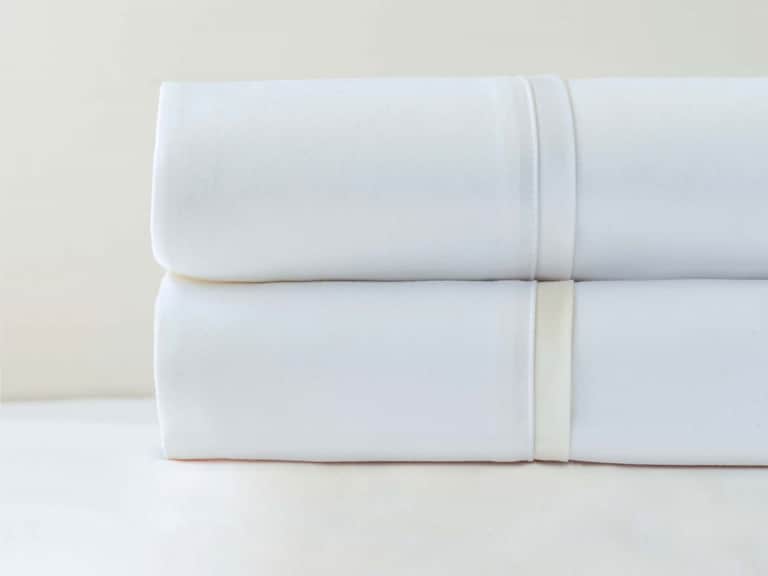
Percale and sateen are two end-members in sheet craftsmanship. Percale typically yields a crisp, cool hand with a matte finish, while sateen offers a smoother, more luminous surface and a warmer drape. Both can be breathable when crafted from high-quality cotton (long-staple cottons often lead to better performance). For warmer climates or sleepers prone to night sweating, a high-thread-count sateen with a breathable cotton blend can strike a favorable balance between softness and airflow. In cooler environments, a lighter percale paired with a wool or down-top layer can help modulate comfort without overheating.
Pillow fills: latex blends, memory foam, and natural fibers
Pillow selection centers on support, loft, and moisture management. A latex blend with a breathable cover maintains responsiveness and resilience, adapting to head and neck positions while promoting airflow. Tencel fibers woven into pillow fills improve moisture transport and skin-friendly softness, helping to keep the sleeping surface dry. Memory foam, when used, tends to trap heat; pairing it with cooling covers or lighter fillings can counteract that heat retention. The goal is to align pillow features with your primary sleep position—back, side, or stomach—so spinal alignment remains neutral and muscles relax fully.
Mattress toppers and protectors: adaptive layers
A mattress protector or topper is more than a shield against spills; it influences microclimate and pressure distribution. A cottonized protector with a breathable barrier can protect the mattress while preserving ventilation. For some sleepers, latex or wool toppers add a balance of contour and temperature regulation, easing pressure points without trapping heat.
Choosing sleep-friendly components: a practical framework
To simplify decision-making, we can adopt a framework that considers sleep position, climate, and care preferences. The following quick-start steps help you tailor sheets, pillows, and toppers to your night routines:
- Assess your typical sleep position. Side sleepers may benefit from slightly loftier pillows and breathable, moisture-wicking fabrics to reduce pressure on shoulders and hips.
- Evaluate climate and season. In hot seasons, prioritize fabrics with cooling properties and moisture-wicking fibers; in cooler months, look for warmth-retaining yet breathable options.
- Consider allergies and sensitivities. Hypoallergenic materials and natural finishes minimize potential irritants and support a restful environment.
- Balance care preferences with performance. If you prefer low-maintenance, choose fabrics that resist pilling and shrinkage and are easy to launder.
- Test and adjust. Small changes—like swapping to a Tencel-infused pillow fill or trying a four-layer cotton voile bedspread—can yield noticeable improvements in comfort and sleep duration.
A curated look at bed ensembles: how the materials come together
In practice, the materials you select become part of a nightly ecosystem rather than isolated choices. A well-designed sleep environment uses complementary textures to regulate temperature and comfort. For instance, a breathable 500-thread-count long-staple cotton sheet set partnered with a four-layer cotton voile bedspread can deliver a cool, crisp base with a soft surround—an interplay of surface textures that supports uninterrupted sleep.
Consider this example ensemble inspired by a calm, science-informed approach to bedding:
- Sheets: Bovi Estate Sheet Set—100% long-staple cotton, sateen, 500-thread count for softness and durability.
- Pillows: Suite Sleep Shredded Latex-Tencel Blend Pillow—customizable loft, breathable surface, hypoallergenic fibers.
- Mattress topper: Arcadia Comfort Sleeper Mattress Pad—330-thread-count cotton sateen shell with a down-alternative fill for even distribution and a soft, supportive surface.
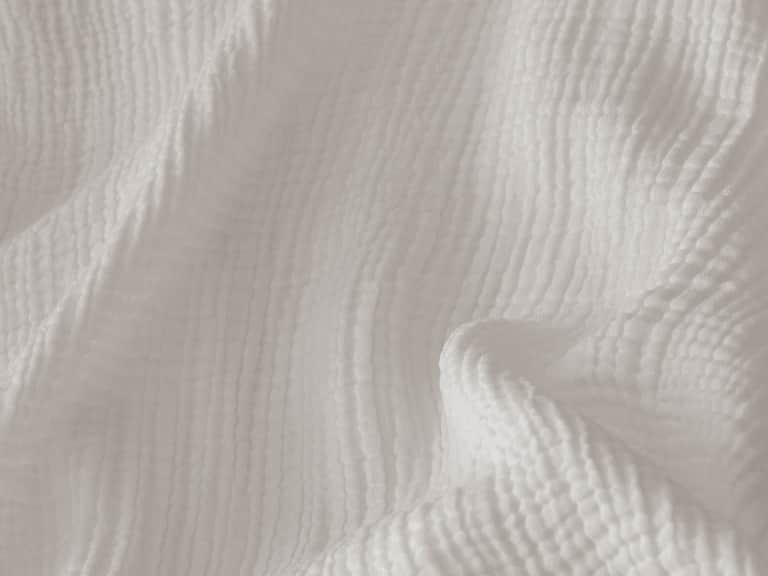
- Bedspread: Free New Bedcover—four-layer cotton voile, lightweight and breathable, ideal for summer as a cooling layer.
Such a combination emphasizes temperature regulation, moisture management, and comfort alignment—core principles at the heart of sleep science translated into everyday luxury. The goal is to curate a bed that breathes with you through the night, reducing wakefulness caused by heat, humidity, or stiffness, and allowing your body to pursue the restorative cycles of sleep.
Three key voices across time: perspectives on sleep, textiles, and design
To illuminate how materials inform our sleep, we revisit three influential figures from distinct eras who, in their ways, dared to study sleep, fabrics, and the rooms in which we rest:
- Louis Pasteur (1822–1895) – A pioneer of microbiology whose work on fermentation and sanitation underlines the importance of hygiene in the sleep environment. Pasteur’s insistence on cleanliness in daily life foreshadows how bedding care and fabric cleanliness influence sleep health by reducing irritants and allergens that can disrupt rest.
- Le Corbusier (1887–1965) – A titan of modern architecture, whose philosophy of functional, human-centered spaces informs how we approach the bedroom as a sanctuary. He championed clarity of form and the idea that the environment shapes behavior—an insight that translates today into thoughtful sleep architecture and texture layering in the bedroom.
- Anna Maria de la Roche (late 19th to early 20th century) – An advocate of textile quality and craftsmanship, whose emphasis on material integrity resonates with contemporary bedding designers who seek fabrics that endure and comfort without compromising health or ecological values. Her legacy echoes in the pursuit of durable, breathable fibers that support both wellbeing and longevity in the sleep environment.
From sanitation to space planning to textile integrity, these voices remind us that sleep is not merely a private moment but a product of culture, craft, and science converging in the fabric that surrounds us each night.
Product highlight: Free New Bedcover as a practical example
The Free New Bedcover is a four-layer cotton voile bedspread designed to stay light and breathable during the heat of summer. Its subtle raised pattern adds texture without bulk, giving a surface that feels fresh against the skin. Weighing approximately 140 g/m², it layers over a sheeted bed to offer an airy, cooling experience that complements modern, climate-controlled bedrooms.
-
Material: 100% cotton voile (four-layer construction)
-
Care: Washing instructions suitable for regular laundry cycles
-
Weight: 140 g/m²
Color options: multiple standard collection colors available to suit diverse decors.
Price: 775.00
Product: Free New Bedcover (Society Limonta)
In real-world practice, layering a lightweight bedspread like Free New over a breathable sheet set can provide a responsive thermal buffer—cool to the touch when the room warms, yet not so warm that it traps heat overnight. It embodies the principle of minimal but meaningful texture that a sleep-friendly environment benefits from.
Putting it all together: a concise framework for a sleep-friendly bedside
To close, the following quick-start checklist translates the science of materials into daily practice. Use this as a reference when shopping or evaluating your current bed setup:
- Sheets: Choose a fabric with good moisture management. For warm climates, look for cotton percale or cotton-linen blends that promote air circulation.
- Pillows: Align loft and fill with your sleep position in mind. Consider breathable fillings like latex or Tencel blends to maintain a cool surface.
- Mattress topper: If you need extra contour, select a topper that distributes pressure without compromising ventilation.
- Bedspread: Use a light layer in hot seasons and a heavier layer in cooler months to calibrate warmth without overheating.
- Care: Prioritize fabrics that retain shape and softness after multiple washes, and follow manufacturer washing guidelines to extend life and performance.
Conclusion: materials as the science of sleep, accessible to all
Sleep science is not an arcane field but a practical discipline rooted in the textiles that touch our skin, the air we breathe, and the routines we practice before turning out the lights. By understanding the deep relationship between fabric fibers, weave, and fill type, we empower ourselves to curate a bedroom that works with our physiology—helping us fall asleep faster, stay asleep longer, and wake up rested. The domain of liveinbed.com—whether explored as health education, interior design, or bedtime storytelling—invites readers to approach sleep as a living, evolving experience shaped by materials, rituals, and the quiet knowledge that rest is a daily investment in well-being.